DIAGNOSTICS
Car Overheating but Coolant Is Full? Here's What to Check
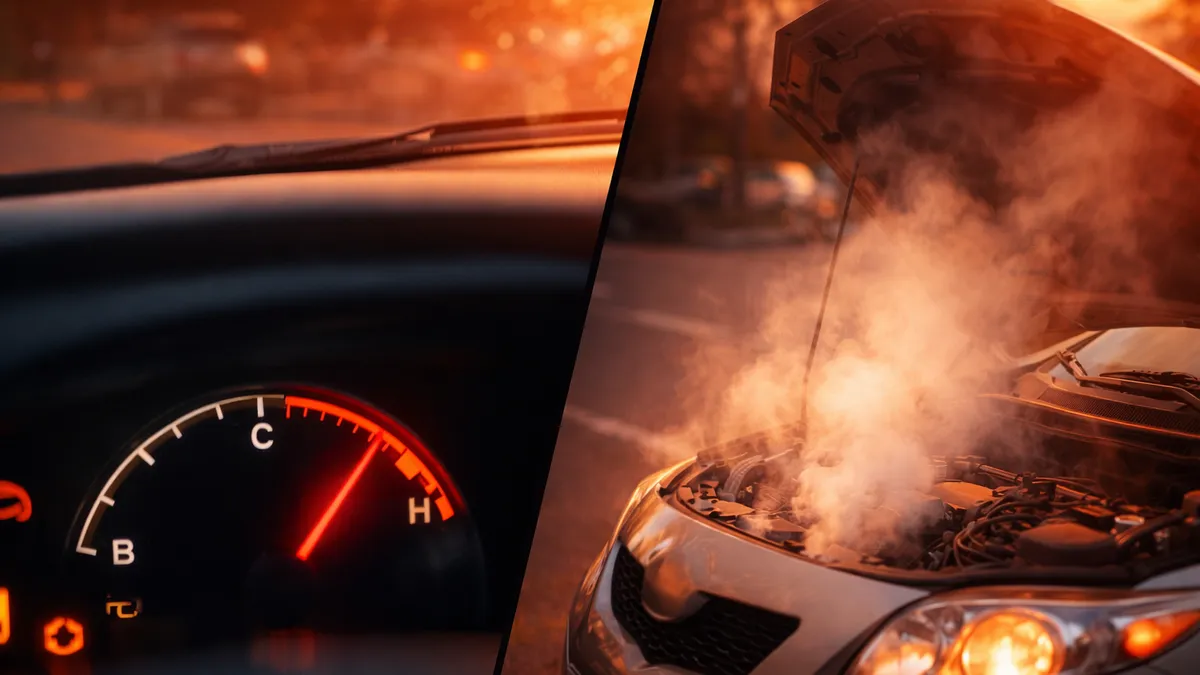
Your temperature gauge is climbing toward the red zone. You glance at the coolant reservoir and it looks full. So what's going on? If your car is overheating but the coolant level looks fine, it doesn't mean the cooling system is working properly -- it means the problem is something other than low coolant.
At P&C Repair in Thomaston, we diagnose overheating problems year-round. Here's what can cause an engine to overheat even when the coolant reservoir appears full, and what you should do about it.
First: Pull Over Immediately
Before we get into causes, let's be clear about one thing: if your temperature gauge is in the red or your dashboard is showing an overheat warning, pull over and shut the engine off as soon as it's safe. Do not try to "make it home" or "get to the shop." An overheating engine can suffer catastrophic damage in minutes.
Here's what happens when an engine overheats:
- The cylinder head can warp, compromising the head gasket seal
- The head gasket can blow, allowing coolant into the cylinders or oil passages
- The engine block can crack
- Pistons can seize from thermal expansion
A $300 repair (like a thermostat) can turn into a $3,000+ engine repair if you keep driving while overheating. Pull over. Let it cool. Call for a tow if needed.
Why the Reservoir Can Be Full While the System Isn't Working
The coolant reservoir (also called the overflow tank or expansion tank) is connected to the cooling system but isn't the system itself. Coolant circulates from the engine, through the radiator, and back to the engine in a pressurized loop. The reservoir collects overflow when coolant expands from heat and feeds it back in as the system cools.
A full reservoir doesn't mean coolant is actually circulating through the engine. Several failures can stop or restrict coolant flow while the reservoir level looks perfectly normal.
Common Causes of Overheating with Full Coolant
1. Stuck Thermostat
The thermostat is the most common cause of overheating with full coolant. It's a temperature-sensitive valve that sits between the engine and the radiator. When the engine is cold, the thermostat stays closed, keeping coolant circulating only within the engine block so it warms up quickly. Once the engine reaches operating temperature (usually around 195-210°F), the thermostat opens and allows coolant to flow through the radiator for cooling.
When a thermostat sticks closed, coolant is trapped in the engine block. It heats up with nowhere to go, and the engine overheats rapidly. Meanwhile, the coolant in the radiator and reservoir stays relatively cool because it's not circulating.
Clue: If the engine overheats but the radiator hoses feel cold or lukewarm, the thermostat is probably stuck closed.
Thermostat replacement is one of the more affordable cooling system repairs -- typically $150-$350 depending on the vehicle.
2. Failed Water Pump
The water pump is the heart of the cooling system. It circulates coolant through the engine, heater core, and radiator. When the water pump fails -- due to a broken impeller, worn bearings, or a failed seal -- coolant stops moving even though the system is full.
Signs of a failing water pump:
- Overheating at idle or low speeds that improves at highway speed (airflow through the radiator partially compensates)
- Whining or grinding noise from the front of the engine
- Coolant leak from the weep hole on the pump body
- Wobble or play in the pump pulley
Water pump replacement is a moderate repair. On some vehicles where the water pump is driven by the timing belt, it makes sense to replace both at the same time since the labor overlaps significantly.
3. Clogged or Restricted Radiator
Over time, the inside of a radiator can accumulate deposits from degraded coolant, corrosion, and mineral buildup. These deposits restrict coolant flow through the radiator's small passages, reducing cooling efficiency. The radiator can also become clogged externally by debris -- bugs, leaves, road grime, and salt buildup block airflow through the fins.
Connecticut roads in winter spray a mixture of salt, sand, and brine that coats the front of your radiator. Over years, this builds up and reduces airflow. The radiator also corrodes from the outside in -- we see corroded radiators frequently on vehicles in the Thomaston and Waterbury area.
Clue: If the top radiator hose is hot but the bottom is cool, the radiator is likely restricted internally -- coolant enters at the top but can't flow through to the bottom.
4. Cooling Fan Not Working
Your car has either an electric cooling fan or a mechanical fan (belt-driven, sometimes with a clutch) that pulls air through the radiator. At highway speed, natural airflow does most of the cooling. But at idle, in stop-and-go traffic, or at low speeds, the fan is essential.
If the cooling fan isn't working, the car may run fine on the highway but overheat every time you hit traffic or sit at a red light in downtown Waterbury. Electric fans can fail due to a burned-out motor, bad relay, blown fuse, or faulty temperature sensor. Mechanical fan clutches can wear out and slip, spinning too slowly to move enough air.
Clue: Overheating only happens at low speeds or idle, and the temperature drops when you get back up to highway speed.
5. Blown Head Gasket
A blown head gasket can cause overheating in a sneaky way. If the gasket fails between a combustion chamber and a coolant passage, high-pressure combustion gases get forced into the cooling system. These gas bubbles create air pockets that prevent coolant from flowing properly and reduce the system's ability to transfer heat.
The reservoir may look full or even be overflowing because combustion pressure pushes coolant out of the system. You might notice:
- Bubbling in the coolant reservoir with the cap off and engine running
- White smoke from the exhaust
- Milky residue on the oil cap or dipstick
- Exhaust smell in the coolant
6. Air Pocket in the Cooling System
After a coolant service, hose replacement, or any repair that opened the cooling system, trapped air can create a pocket that blocks coolant flow. Air doesn't transfer heat like liquid coolant does, so even a small air pocket near the thermostat or water pump can cause localized overheating and erratic temperature gauge readings.
Proper bleeding of the cooling system after service is essential. Some vehicles have a bleeder valve for this purpose; others require a specific procedure to purge air. If your car started overheating shortly after a cooling system repair, trapped air is the first thing to suspect.
What to Do When Your Car Overheats
- Pull over safely and shut off the engine. Don't open the hood immediately -- let it cool for at least 15-20 minutes.
- Do NOT open the radiator cap while hot. The system is pressurized. Opening it can cause boiling coolant to spray and cause severe burns.
- Turn on the heater before pulling over. If you're in traffic and can't immediately stop, crank the heater to full hot with the fan on high. The heater core acts as a small secondary radiator and can buy you a few minutes.
- Check for obvious issues once cooled -- visible leaks, disconnected hoses, a broken belt.
- Call for help. If you can't identify and fix the problem on the spot, have the car towed. Driving an overheating car risks engine destruction.
How We Diagnose Overheating at P&C Repair
When an overheating vehicle comes to our Thomaston shop, we run through a comprehensive diagnostic process:
- Pressure test -- We pressurize the cooling system and check for leaks (internal and external)
- Thermostat test -- We verify the thermostat opens at the correct temperature
- Water pump flow check -- We confirm the pump is circulating coolant effectively
- Fan operation test -- We verify the cooling fan engages at the proper temperature
- Block test -- We test for combustion gases in the coolant, which indicates a head gasket leak
- Radiator flow test -- We check for restrictions and proper flow through the radiator
- Scan for codes -- The engine computer logs temperature-related codes that help identify the problem
We find the actual cause before recommending any parts. Throwing a thermostat at a car with a blown head gasket wastes your money. Proper diagnosis saves money in the long run.
Preventing Overheating
Most overheating problems are preventable with basic maintenance:
- Check coolant level monthly -- catch leaks early
- Replace coolant on schedule -- old coolant becomes acidic and corrodes system components
- Inspect belts and hoses -- a broken serpentine belt stops the water pump on many vehicles
- Watch your temperature gauge -- catching an upward trend early prevents damage
- Address small leaks immediately -- that small drip today becomes an empty system and a tow truck tomorrow
Temperature gauge creeping up? Don't wait for it to hit the red. Bring it to P&C Repair at 64 N Main St in Thomaston. We'll find the cause and fix it before it becomes a major problem. Call (860) 601-0271 -- Monday-Friday 8AM-5PM, Saturday 8AM-1PM.
Need Help With This?
If something in this article sounds like what your vehicle is going through, bring it in. We'll diagnose the issue and give you a straight answer.
Keep Reading
More from The Garage
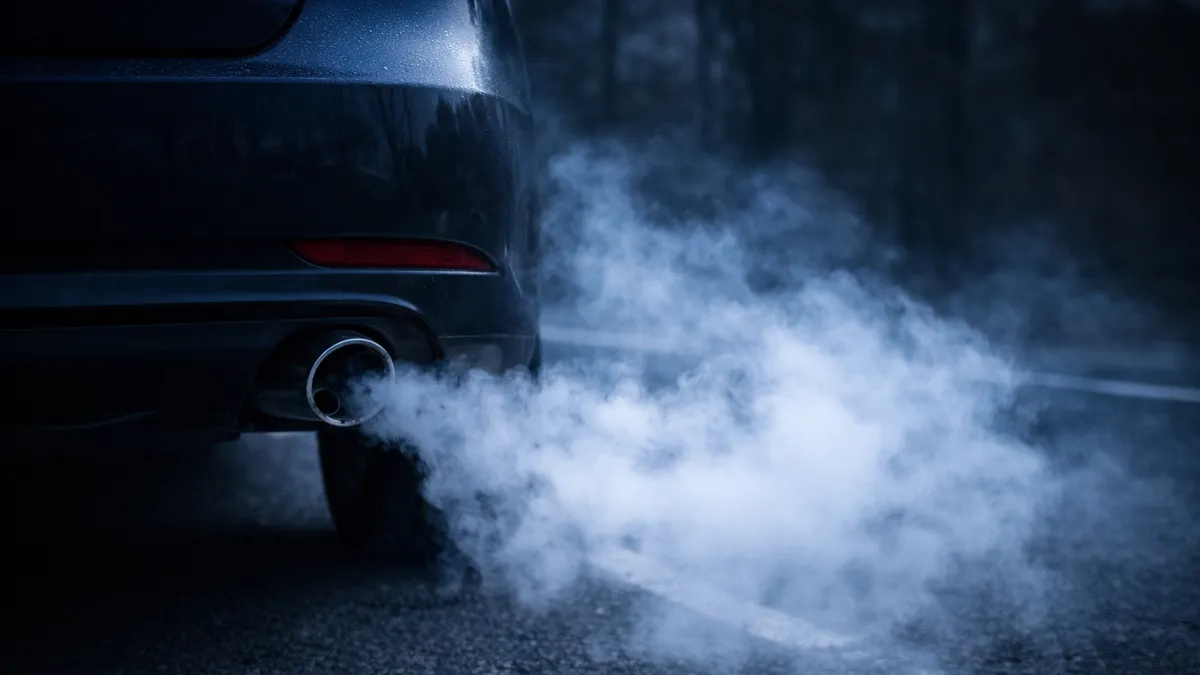
White Smoke from Exhaust: What It Means and When to Worry
White smoke or steam from your tailpipe could be normal condensation or a sign of a serious engine problem. Here's how to tell the difference.
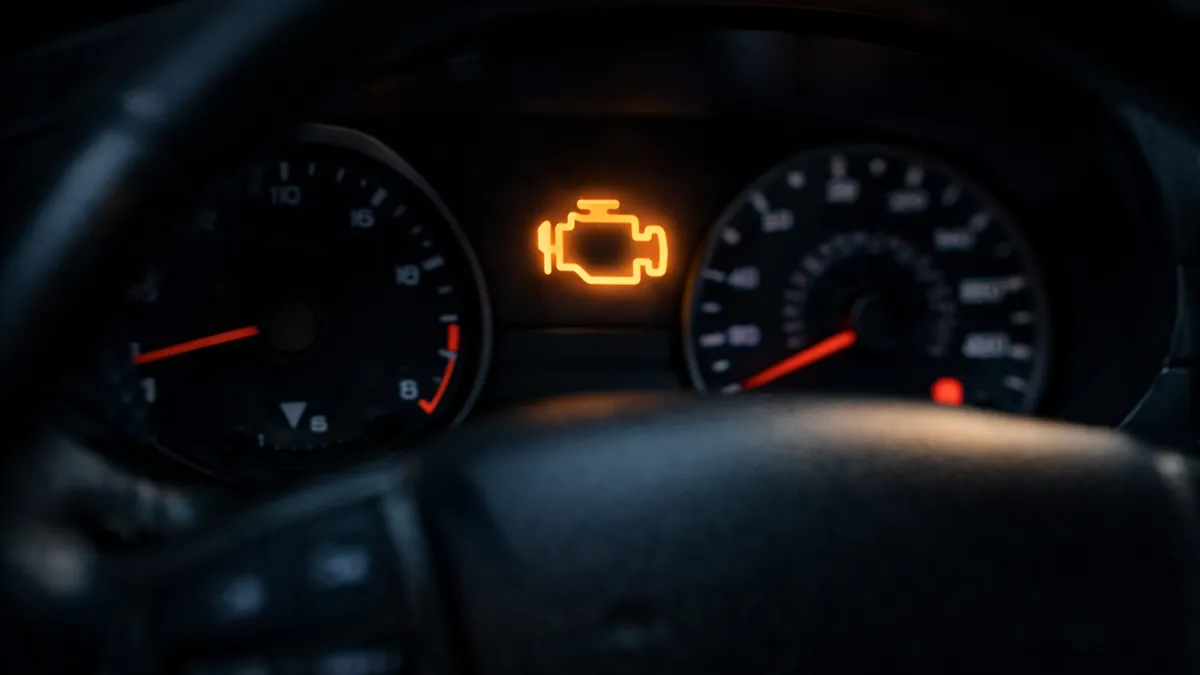
Check Engine Light On? Here's What It Could Mean
Your check engine light can mean anything from a loose gas cap to a serious engine problem. Here's how to tell the difference and what to do next.
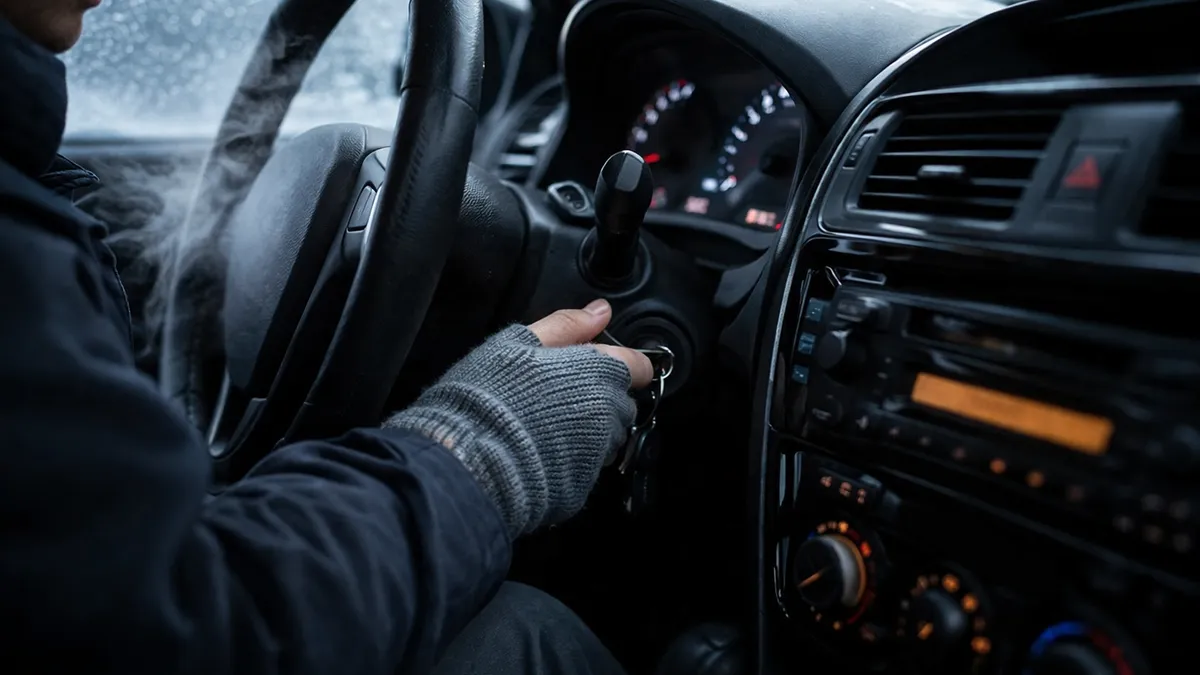
Car Won't Start in Cold Weather — Troubleshooting Guide
Car won't start on a cold Connecticut morning? Here are the most common causes and what you can do before calling a mechanic.
Ready to Get Your Vehicle Fixed?
Schedule your appointment today. Free estimates on all repairs -- we'll explain what needs to be done before we do any work.