DIAGNOSTICS
Car Making Grinding Noise When Braking — Causes and Fixes
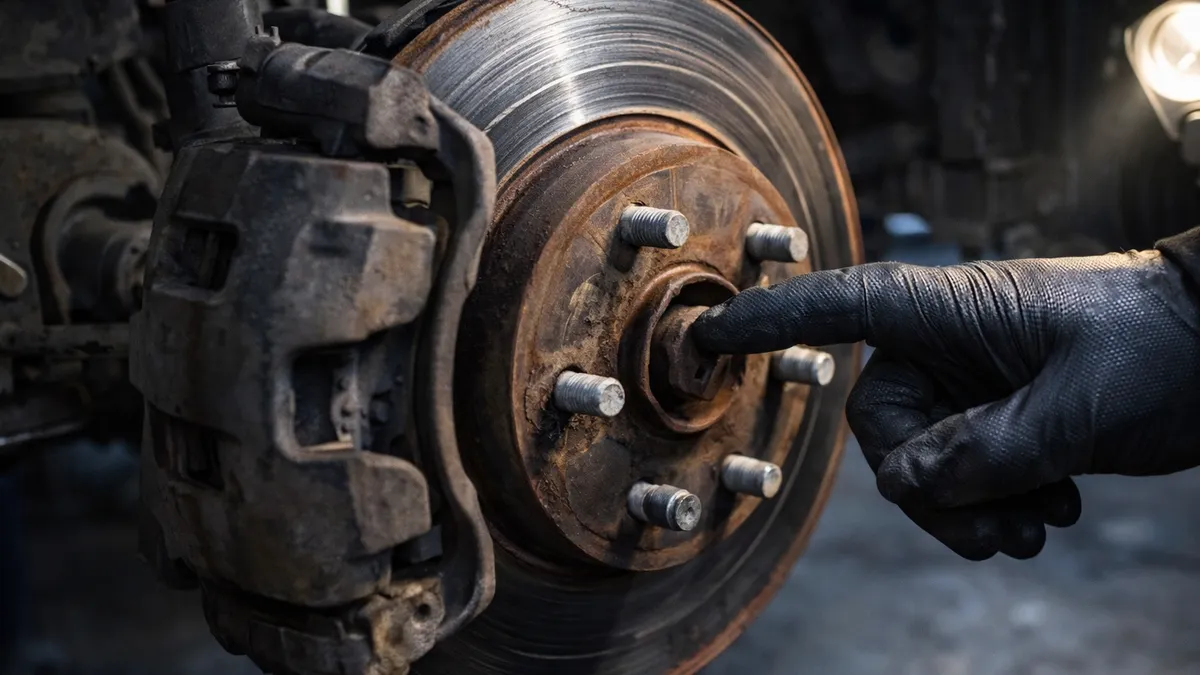
You press the brake pedal and hear a grinding noise -- metal on metal, like something is seriously wrong. Your instinct is right to be concerned. A grinding sound when braking almost always means something needs attention, and the longer you wait, the more expensive it gets.
At P&C Repair in Thomaston, we handle brake problems every week. Here's what that grinding noise actually means, what's causing it, and what you should do about it.
What That Grinding Sound Means
Brakes work by pressing a friction pad against a metal rotor to slow the wheel. When the pad material wears down to nothing, the metal backing plate of the pad grinds directly against the metal rotor. That's the grinding noise you're hearing. It's metal-on-metal contact, and it's doing real damage every time you press the brake pedal.
Some brake pads have a built-in wear indicator -- a small metal tab that contacts the rotor when the pad gets thin. This creates a lighter squealing or scraping sound as an early warning. If you're past the squeal and into a full grind, the pads are likely gone completely.
Severity Levels: How Bad Is It?
Not all brake noises are equally urgent. Here's how to gauge what you're dealing with:
- Light scraping or squealing: This is often the wear indicator doing its job. You have some time -- days to a couple of weeks -- but schedule a brake repair appointment soon. Don't put it off.
- Heavy grinding: The pads are worn through and metal is grinding on metal. Every stop is damaging your rotors. Get it looked at within a day or two. Driving on it is making the repair more expensive with every mile.
- Grinding with vibration or pulsing: This usually means the rotors are warped or severely scored. You may also feel the steering wheel shaking when braking. This affects your stopping ability and needs immediate attention.
Common Causes of Brake Grinding
Worn Brake Pads (Most Common)
This is the cause about 80% of the time. Brake pads are a wear item -- they're designed to gradually wear down over 30,000 to 70,000 miles depending on the pad type, your vehicle, and how you drive. Once the friction material is gone, you're grinding metal on metal. The fix is straightforward: new pads, and possibly new rotors if the old ones are damaged.
Warped or Scored Rotors
Rotors can warp from heat buildup during heavy braking -- riding the brakes down long hills, for example. They can also develop deep grooves (scoring) from running on worn-out pads. Warped rotors cause pulsing and vibration. Scored rotors cause grinding even with new pads and will need to be replaced.
Stuck Brake Caliper
The caliper squeezes the pads against the rotor. When a caliper sticks in the applied position, the pad drags against the rotor constantly -- even when you're not braking. You might notice the car pulling to one side, the wheel feeling hot after driving, or a burning smell. This is more common on older vehicles and on vehicles exposed to heavy road salt -- which means it's common in Connecticut.
Debris Caught in the Caliper
Sometimes a small rock, piece of road debris, or rust flake gets lodged between the brake pad and rotor. This causes a grinding or scraping noise that may come and go. It's usually not dangerous, but it's worth having checked because it can score the rotor surface if left alone.
Worn Wheel Bearing
A failing wheel bearing can produce a grinding or humming noise that gets louder when braking or turning. It's less common than pad wear, but it's a safety issue. A badly worn wheel bearing can cause the wheel to wobble or, in extreme cases, seize. If the noise changes with turning rather than just braking, a wheel bearing could be the culprit. A proper diagnostic inspection can tell you for sure.
Why Brake Wear Is Worse in Litchfield County
If you drive in and around Thomaston, you already know the roads aren't flat. Litchfield County is full of hills, winding routes, and steep descents. Route 8, Route 6, and most of the back roads through Harwinton, Burlington, and Morris require constant braking on the downhills. That extra brake use adds up to faster pad and rotor wear compared to flat-terrain driving.
Then there's road salt. Connecticut dumps thousands of tons of salt on the roads every winter, and that salt gets into everything -- including your brake calipers, slide pins, and hardware. Salt causes corrosion that makes calipers stick, pins seize, and pads wear unevenly. We see more stuck calipers and seized brake hardware in spring than any other time of year because the damage from winter salt finally catches up.
Winter driving itself is harder on brakes too. Cold temperatures, wet roads, and stop-and-go traffic through Waterbury and Torrington all mean you're using your brakes more aggressively and more frequently.
When to Act Immediately vs. When You Can Wait
Here's the decision tree:
- Act now (today): Grinding with vibration, pulling to one side, burning smell, brake pedal feels soft or goes to the floor, or the grinding is loud and constant.
- Schedule this week: Heavy grinding noise when stopping, no vibration or pulling yet.
- Schedule within two weeks: Light scraping or intermittent squeal at low speeds.
When in doubt, get it checked sooner. Brakes are the one system on your car where "wait and see" can genuinely put you at risk.
What Happens If You Ignore It
Ignoring brake grinding doesn't save money. It costs more. Here's the progression:
- Rotor damage: Running worn pads scores deep grooves into the rotors, meaning they'll need to be replaced at $100-200 each instead of lasting through a simple pad swap.
- Caliper damage: If a metal pad backing plate digs into the rotor long enough, the heat and friction can damage the caliper piston and seal. That turns a $200 pad job into an $800+ repair with calipers.
- Safety risk: Severely worn brakes increase stopping distance significantly. In an emergency stop on a wet Connecticut road, the difference between good brakes and destroyed brakes could be the difference between a close call and a collision.
What Does It Cost to Fix?
Brake repair costs depend on what's needed:
- Brake pad replacement: $150-$300 per axle (front or rear), including parts and labor
- Pads and rotors: $300-$600 per axle if the rotors also need replacing
- Caliper replacement: Add $150-$300 per caliper if calipers are stuck or damaged
The earlier you catch it, the less it costs. A pad replacement at the first squeal is half the price of pads plus rotors plus hardware after months of grinding. For a full breakdown of what to expect, see our guide on brake repair costs in Connecticut.
Get It Checked at P&C Repair
If your brakes are grinding, bring it in. We'll put it on the lift, pull the wheels, measure the pads and rotors, check the calipers, and tell you exactly what's going on -- with a written estimate before we touch anything. No surprises.
P&C Repair is located at 64 N Main St in Thomaston. Call us at (860) 601-0271 or stop by. We'll get your brakes right.
Need Help With This?
If something in this article sounds like what your vehicle is going through, bring it in. We'll diagnose the issue and give you a straight answer.
Keep Reading
More from The Garage
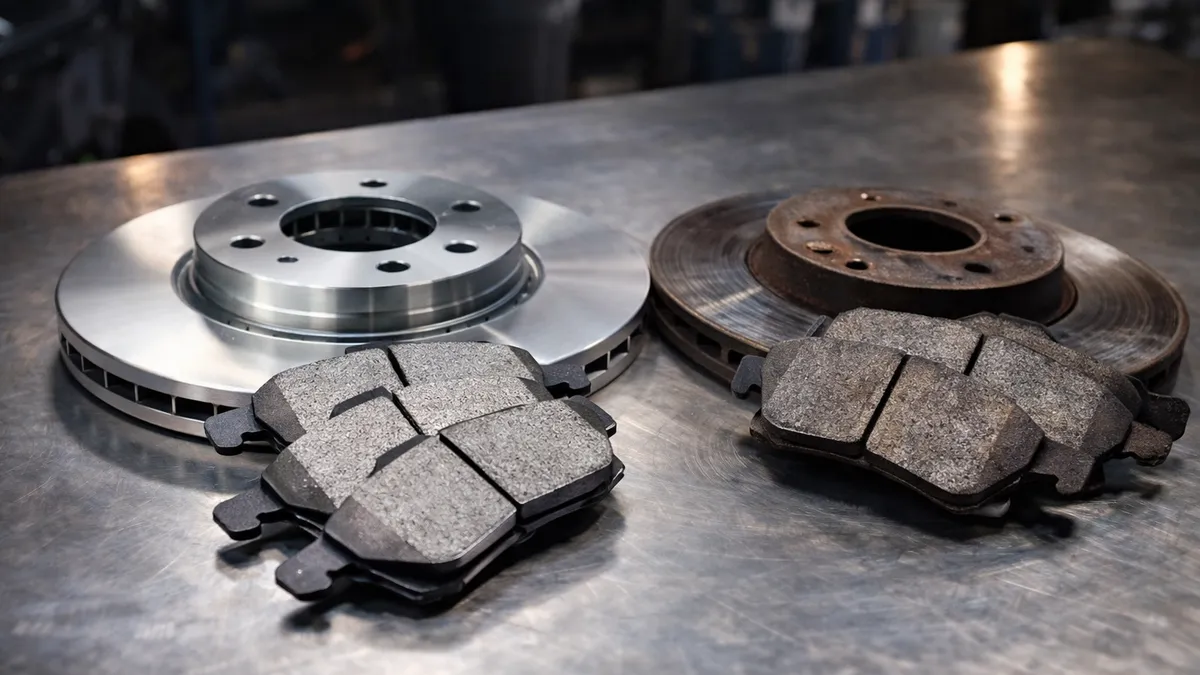
How Much Does Brake Repair Cost in Connecticut?
Brake repair costs in CT depend on what's needed — pads, rotors, calipers, or fluid. Here's a realistic breakdown of what to expect, with no hidden fees.
Check Engine Light On? Here's What It Could Mean
Your check engine light can mean anything from a loose gas cap to a serious engine problem. Here's how to tell the difference and what to do next.
Ready to Get Your Vehicle Fixed?
Schedule your appointment today. Free estimates on all repairs -- we'll explain what needs to be done before we do any work.