MAINTENANCE_TIPS
How Often Should You Change Your Oil? A Guide for CT Drivers
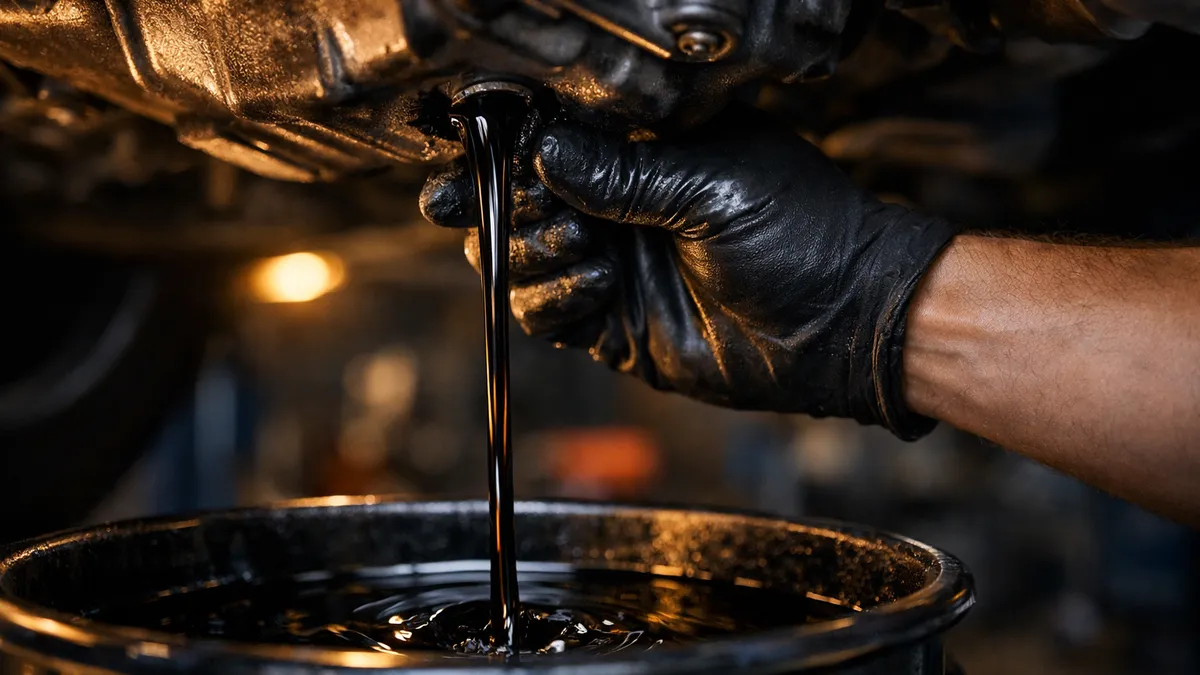
Walk into most quick-lube chains and they'll slap a sticker on your windshield telling you to come back in 3,000 miles. That advice made sense decades ago, but modern engines and modern oils have moved well past it. If you're still changing your oil every 3,000 miles with full synthetic, you're spending money you don't need to spend.
At P&C Repair in Thomaston, we believe in giving our customers the straight truth about maintenance. So here's the real answer to "how often should I change my oil?" -- and how driving in Connecticut factors in.
The Short Answer
For most vehicles built after 2010 using full synthetic oil, the recommended interval is every 5,000 to 7,500 miles or once a year, whichever comes first. Some newer vehicles with advanced oil monitoring systems can go 7,500 to 10,000 miles between changes. Conventional oil still needs changing every 3,000 to 5,000 miles.
But here's the thing -- your owner's manual is the final word. Not the sticker from your last oil change. Not a rule of thumb from the internet. The engineers who built your engine know exactly what it needs, and they put it in writing.
Synthetic vs. Conventional: What CT Drivers Should Know
The type of oil in your engine is the single biggest factor in how long you can go between changes.
- Full synthetic oil is engineered to resist breakdown, flow better in cold temperatures, and protect better at high heat. It costs more per quart but lasts significantly longer. Most manufacturers now require it.
- Conventional oil is refined from crude oil with fewer additives. It breaks down faster under stress and cold weather. It's cheaper per change but needs changing more often.
- High-mileage oil is a synthetic blend formulated with seal conditioners for engines over 75,000 miles. If your engine has minor oil seepage, this can help slow it down.
Connecticut winters are a factor here. When temperatures drop below freezing -- and they regularly do from November through March -- conventional oil thickens and doesn't circulate as well during cold starts. Synthetic oil flows more freely in the cold, which means less wear on your engine during those first few minutes after you start the car on a January morning in Thomaston.
Driving Conditions That Shorten Your Interval
Your owner's manual likely lists two schedules: a "normal" schedule and a "severe" schedule. Most drivers assume they fall under "normal." Most drivers are wrong.
Severe driving conditions include:
- Short trips under 10 miles -- If most of your driving is running errands around Thomaston, Waterbury, or Terryville without the engine fully warming up, your oil degrades faster. The engine doesn't get hot enough to burn off moisture and fuel contamination.
- Stop-and-go traffic -- Frequent braking and acceleration on Route 8 or through downtown Waterbury puts more stress on your engine than steady highway driving.
- Extreme temperatures -- Both the cold Connecticut winters and hot summer days count here. Temperature swings break down oil faster.
- Dusty or dirty roads -- If you regularly drive on unpaved roads in Litchfield County, more contaminants get into the oil.
- Towing or heavy loads -- Hauling a trailer, carrying heavy equipment, or running a loaded truck bed accelerates oil breakdown.
If any of these apply to you -- and for most CT drivers, at least two or three do -- follow the severe schedule in your manual. That typically means changing synthetic oil every 5,000 miles instead of 7,500.
What Happens If You Wait Too Long
Skipping oil changes doesn't save money. It costs money. Here's what happens when oil breaks down past its useful life:
- Increased friction and wear. Old oil loses its lubricating properties. Metal components that should be gliding on a film of oil start grinding against each other. That accelerates wear on bearings, camshafts, and cylinder walls.
- Sludge buildup. Degraded oil turns into a thick sludge that clogs oil passages. Once sludge builds up, it restricts oil flow to critical engine parts. We've seen engines fail because of neglected oil changes -- and an engine replacement costs thousands.
- Overheating. Oil helps cool engine components. When it breaks down, it can't absorb heat as effectively, which raises operating temperatures and can lead to warping or gasket failure.
- Poor fuel economy. A poorly lubricated engine has to work harder, which burns more fuel. You might not notice the difference trip-to-trip, but it adds up over months.
Oil Life Monitors: Can You Trust Them?
Many vehicles made after 2010 have an oil life monitoring system that tracks your driving conditions and tells you when it's time for a change. These systems are generally reliable -- they factor in engine temperature, RPM, trip length, and ambient conditions to calculate oil degradation.
Our advice: use the oil life monitor as a guide, but don't let it go below 15% before scheduling your change. And regardless of what the monitor says, change your oil at least once a year even if you haven't hit the mileage threshold. Oil degrades over time even sitting in the engine.
What We Do During an Oil Change at P&C Repair
When you bring your vehicle in for an oil change at our Thomaston shop, here's what happens:
- We drain the old oil completely and remove the old filter
- We install a quality OEM-spec filter matched to your vehicle
- We fill with the correct grade and type of oil specified by your manufacturer
- We reset your oil life monitor
- We check and top off all other fluids (coolant, brake fluid, power steering, washer fluid)
- We do a visual inspection of belts, hoses, and tire condition at no extra charge
We use quality oils and filters -- not the cheapest option we can find. And we never upsell you to a more expensive oil if your vehicle doesn't need it. If your manual says conventional is fine, we'll tell you that.
The Bottom Line
Check your owner's manual for the manufacturer's recommended interval. If you've lost the manual, we can look it up for you. For most modern vehicles in Connecticut driving conditions, plan on every 5,000 miles with synthetic oil. Keep an eye on your oil life monitor, and don't ignore it when it tells you it's time.
Regular oil changes are the cheapest insurance you can buy for your engine. A $50-$80 oil change every few months is a lot easier to swallow than a $4,000 engine repair down the road.
Have questions about the right oil or interval for your specific vehicle? Stop by P&C Repair at 64 N Main St in Thomaston, or give us a call at (860) 601-0271. We'll give you a straight answer.
Need Help With This?
If something in this article sounds like what your vehicle is going through, bring it in. We'll diagnose the issue and give you a straight answer.
Keep Reading
More from The Garage
CT Emissions Test Coming Up? Here's What to Know
Everything Connecticut drivers need to know about emissions testing -- what's checked, who's exempt, how to prepare, and what to do if your vehicle fails.
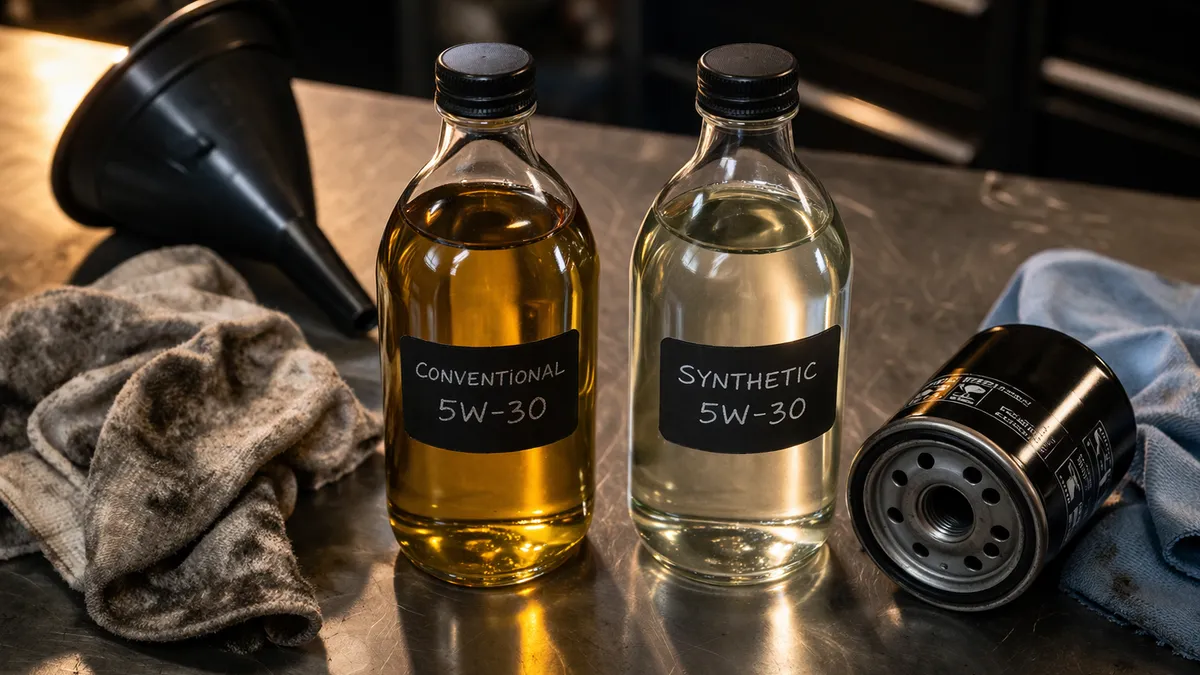
Synthetic vs Conventional Oil — Which Is Right for Your Car?
Full synthetic, conventional, or high-mileage oil? Here's an honest comparison of cost, performance, and what actually matters for your engine.
Ready to Get Your Vehicle Fixed?
Schedule your appointment today. Free estimates on all repairs -- we'll explain what needs to be done before we do any work.