REPAIR_GUIDES
Used Car Pre-Purchase Inspection in Connecticut: What It Costs, What It Catches, and Why It's Worth It
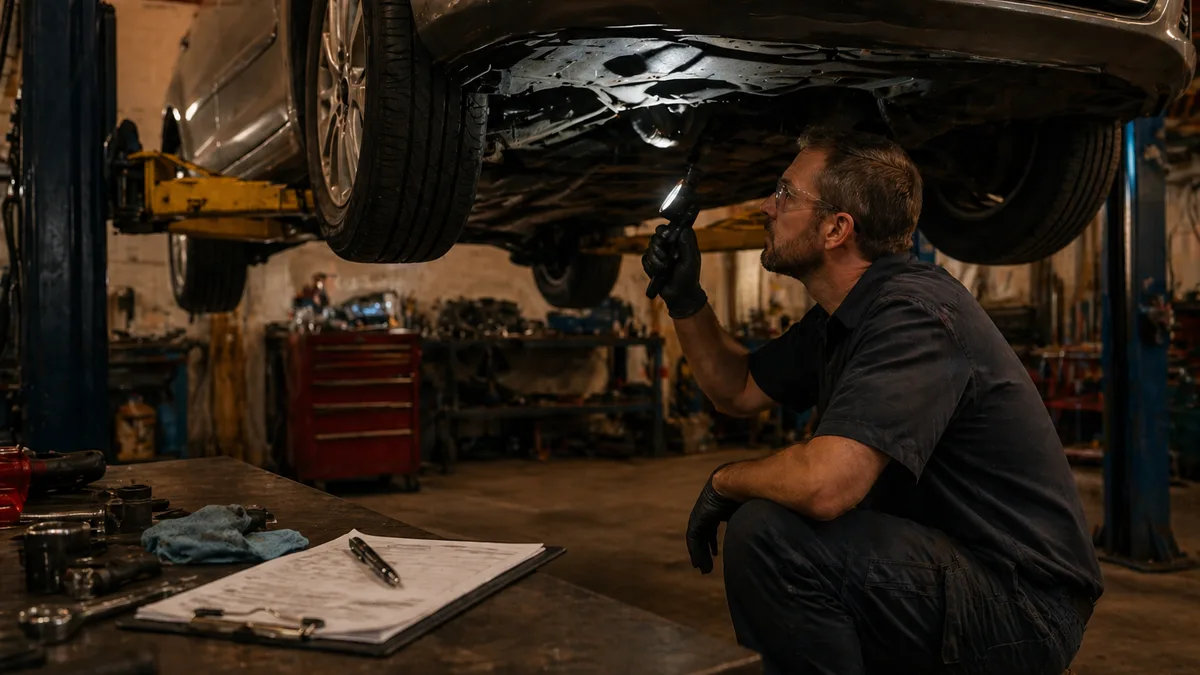
You find a car online for $3,000 under what similar ones are going for. The photos look good. The owner says it runs great. You drive it, everything seems fine. Now what?
If you're about to spend several thousand dollars on a used car, the single best thing you can do before signing anything is bring it to an independent shop for a pre-purchase inspection. In Connecticut, where road salt destroys undercarriages and emissions testing can kill a deal after the fact, a PPI is one of the highest-ROI steps in the whole car-buying process.
What a Real Pre-Purchase Inspection Includes
A thorough PPI at our shop covers:
- Road test -- acceleration, braking, shifting behavior, steering, alignment, noises, vibrations, HVAC, electronics.
- Full lift inspection -- undercarriage, frame, subframe, control arms, ball joints, tie rods, CV boots, exhaust, fuel lines, brake lines. This is where Connecticut cars tell the truth about their history.
- OBD-II diagnostic scan -- stored codes, pending codes, readiness monitors, history data. Reveals pending emissions failures and recent repair attempts.
- Fluid check -- engine oil (look at color and level), transmission fluid (red = healthy, brown/burnt = warning), coolant, brake fluid, power steering.
- Brake inspection -- pad thickness, rotor condition, caliper function, brake fluid moisture content.
- Tire evaluation -- tread depth, wear pattern (even wear vs alignment/suspension problems), age (DOT date codes), matching sizes.
- Battery and charging system test -- battery age, cranking capacity, alternator output.
- Visual check for collision history -- paint mismatches, uneven panel gaps, aftermarket parts, overspray, frame straightening signs.
- Compression test (on request, or if the vehicle is older/higher mileage) -- reveals cylinder health and predicts expensive engine issues.
A proper inspection takes 60-90 minutes. You get a written report with findings, recommendations, and rough cost estimates for anything needing attention.
What It Costs in CT
- Standard PPI: $100-$175
- Extended PPI with compression test: $175-$250
- Specialty vehicles (diesel, exotic, collector): $200-$400
Compare that to the average cost of one surprise repair -- $1,500 for a transmission issue, $2,500 for a head gasket, $3,000+ for frame rust repair. The PPI isn't expensive. The car it saves you from buying is.
Connecticut-Specific Things a PPI Catches
In this climate, certain issues are especially worth checking before you buy:
- Frame and subframe rust -- we wrote about this in detail in our road salt strategy guide. Some vehicles look clean above but are eaten up underneath. Structural rust can make a cheap vehicle worthless.
- Rusted brake lines -- the #1 Connecticut safety issue. Replacement runs $300-$800 and is often required just to pass safety.
- Rotted exhaust components -- pre-failure muffler, catalytic converter, or flex pipe problems show up on the lift but not in a test drive.
- Pending CT emissions failure -- readiness monitors not set (common after recent battery disconnect or code clearing) means the vehicle can't pass emissions and you may not even know until you try to register. See our emissions failure guide.
- Road-salt corroded suspension bolts -- seized hardware makes future repairs much more expensive because bolts break and housings get damaged during removal.
Red Flags to Watch for Yourself Before You Even Bring It In
Some things you can catch without a shop:
- Paint overspray on door jambs, window seals, or rubber moldings -- hints at a prior body repair.
- Uneven panel gaps around doors, hood, or trunk.
- Tires of different sizes or brands on the same axle.
- Bubbling rust around rocker panels, wheel wells, or rear fenders.
- Oil stains on the ground where the car was parked.
- Recent cheap parts installed on an old car -- a brand new battery and brake pads can mean someone was getting it ready for sale to hide a fading vehicle.
- A seller who won't let you take it to your shop.
That last one isn't a red flag; it's a stop sign.
How to Use PPI Findings at the Dealership or With a Private Seller
The best use of a PPI is in the negotiation. If the report lists $1,200 in work (brakes, tires, one oil leak, one worn sway bar link), you have three options:
- Ask the seller to fix the items -- common at dealers, rare in private sales.
- Ask for a price reduction equal to the work -- most common, most likely to succeed.
- Walk away -- if the list is long enough that the vehicle isn't worth what's being asked.
A written report from a neutral shop is much more persuasive than your own verbal concerns. It's the difference between "I think it might need brakes" and "here's an independent mechanic's report listing $420 in brake work."
Bring It to Us Before You Commit
If you're looking at a used vehicle in the Thomaston, Waterbury, Plymouth, or Litchfield County area, bring it by P&C Repair before you sign anything. We'll put it on the lift, run it through our inspection, and give you a written report with everything we found. Call (860) 601-0271 or stop by 64 N Main St. The $150 inspection is almost always the best $150 spent in the whole deal.
Need Help With This?
If something in this article sounds like what your vehicle is going through, bring it in. We'll diagnose the issue and give you a straight answer.
Keep Reading
More from The Garage
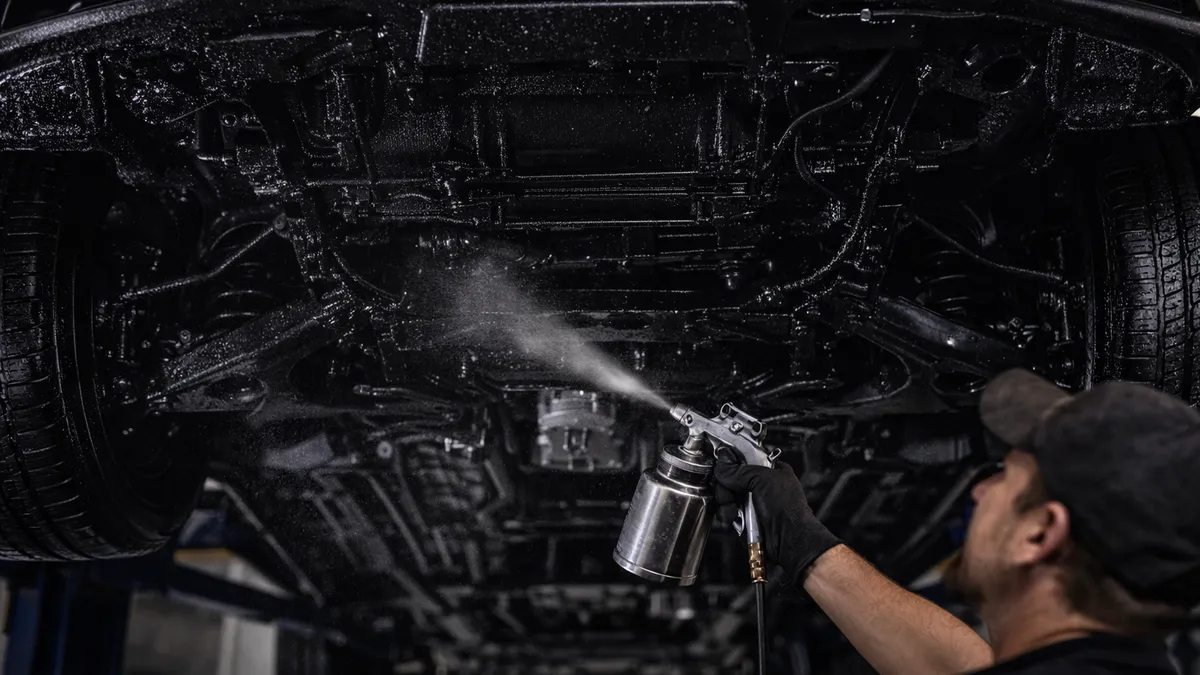
Undercoating and Rust Protection in Connecticut — Why It Matters
Road salt destroys vehicles from the bottom up in Connecticut. Here's why undercoating matters, when to get it done, and how it protects your exhaust, brake lines, and frame.
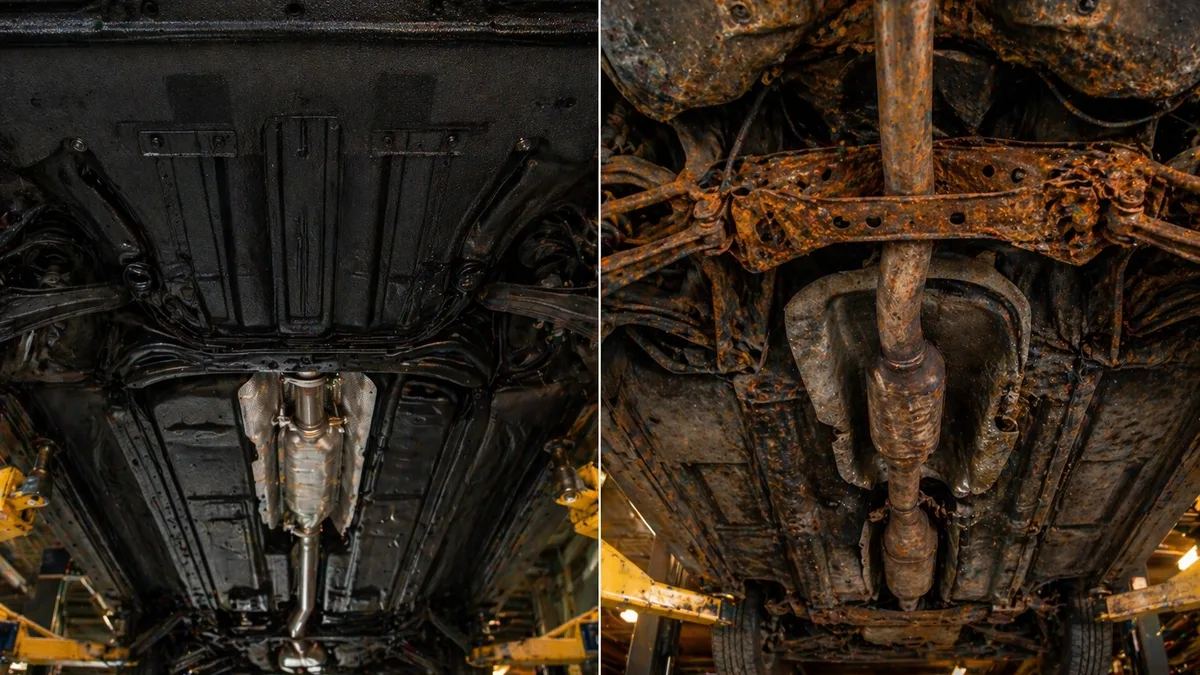
Road Salt and the 20-Year Car: A Connecticut Driver's Long-Game Rust Strategy
Keeping a car running 20 years in Connecticut isn't about the engine -- it's about beating the rust. Here's the five-part strategy that makes the difference between a 250,000-mile vehicle and one that rots out at 120,000.
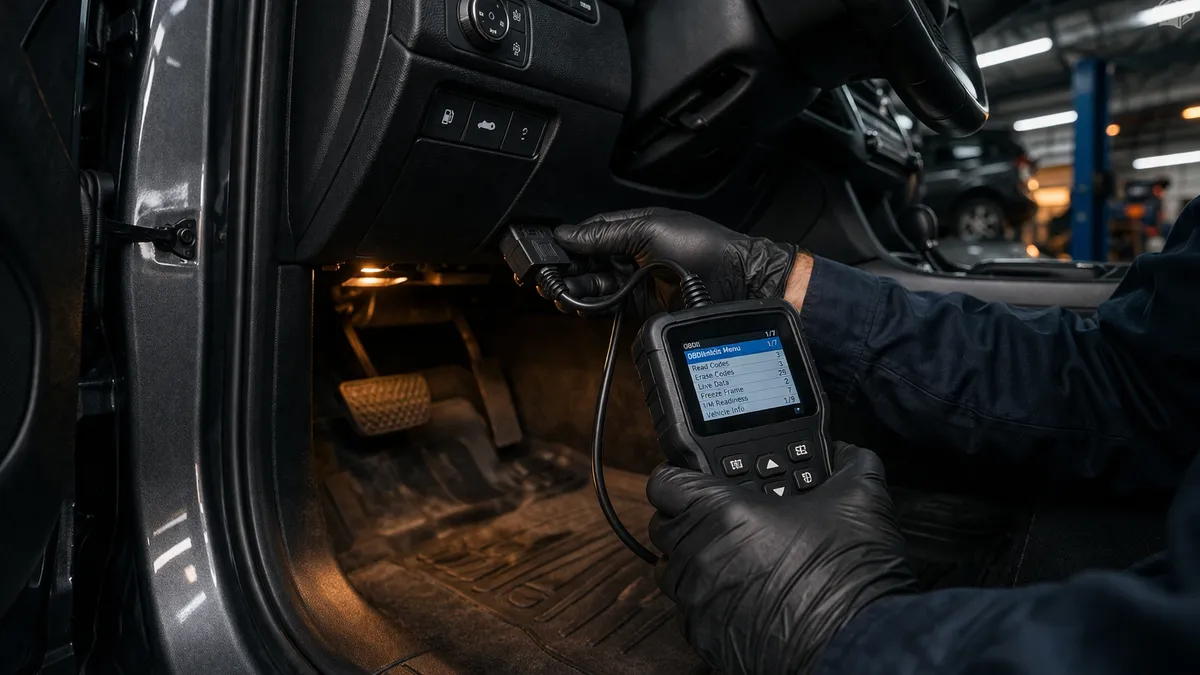
CT Emissions Test Coming Up? Here's What to Know
Everything Connecticut drivers need to know about emissions testing -- what's checked, who's exempt, how to prepare, and what to do if your vehicle fails.
Ready to Get Your Vehicle Fixed?
Schedule your appointment today. Free estimates on all repairs -- we'll explain what needs to be done before we do any work.