MAINTENANCE_TIPS
Road Salt and the 20-Year Car: A Connecticut Driver's Long-Game Rust Strategy
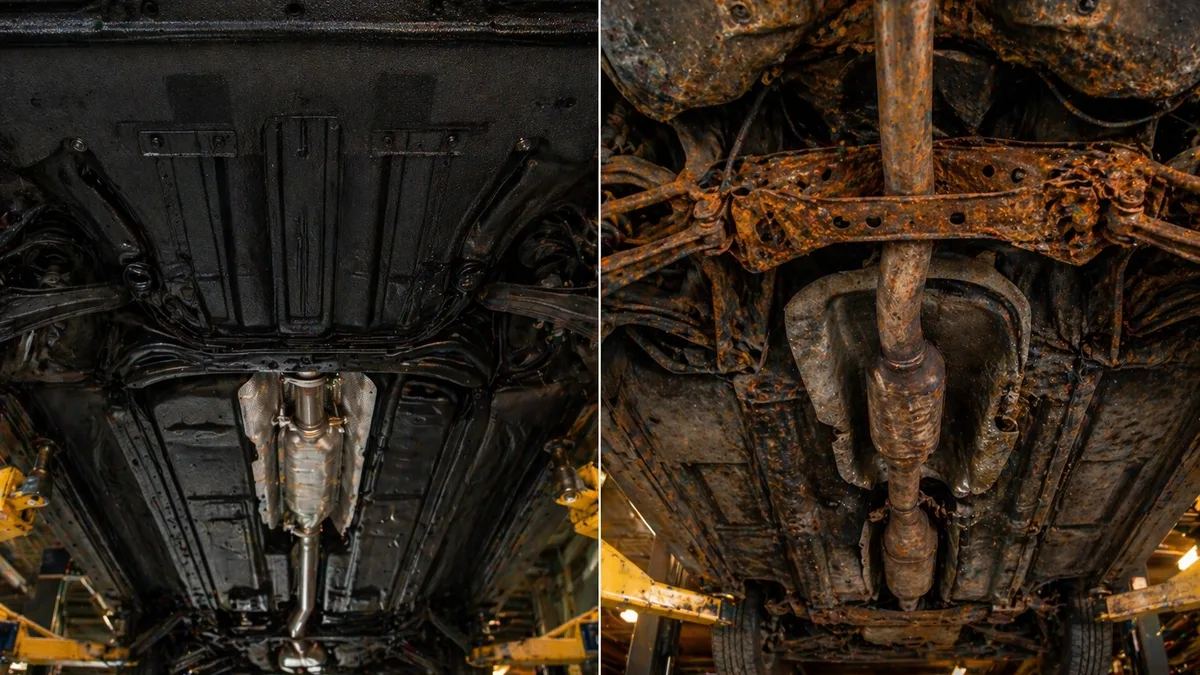
Here's the Connecticut car question nobody actually asks out loud: can you really keep a vehicle 20 years in this climate? The answer is yes -- but not by accident, and not without a strategy. Most cars in Connecticut don't die of engine or transmission failure. They die of rust. The powertrain is still fine. The frame isn't.
If you're thinking long-game with a vehicle -- maybe a truck you want to keep, a family hauler you bought new, or a reliable used car you want to stretch to 250,000 miles -- the difference between 12 years and 20 years is almost entirely underneath. Here's the five-part strategy we've seen actually work on Litchfield County roads.
Part 1: Buy With Rust in Mind
If you're shopping, the vehicle you pick matters more for long-term survival than almost any decision you'll make after. The things to look for:
- Galvanized or coated body panels -- most modern vehicles have this; older ones often didn't. A galvanized panel can handle a scratch without starting a rust cascade underneath.
- Aluminum body or panel construction -- aluminum doesn't rust in the iron-oxide sense. Ford F-150s (2015+), many modern Audis, some BMWs, and certain Jaguars use significant aluminum. They resist surface rust remarkably well.
- Frame quality -- truck frames vary. Modern Toyota Tacoma and Tundra frames are generally rust-resistant; older ones had major problems. Modern domestic truck frames are usually better than 2000s-era equivalents.
- A clean history -- if you're buying used, look underneath before buying. A salt-belt truck with a rusted subframe tells you what the next owner is getting.
If you're keeping what you already have -- skip to Part 2. Buy-smart decisions only apply going forward.
Part 2: Wash the Undercarriage, Religiously
This is the single highest-leverage habit a Connecticut driver can develop. Salt is hygroscopic -- it pulls moisture from the air and holds it against metal. A layer of road salt on your undercarriage is an ongoing rust event that doesn't stop until the salt is gone.
Effective washing habits:
- After every major snow or ice event where roads were salted -- usually every 1-2 weeks from late November through mid-March.
- Use a car wash that includes an undercarriage spray (most automated ones offer this for $1-$3 extra).
- After the last salt event of the season in March or April, do a thorough undercarriage wash to clear residue before the vehicle sits on it all summer.
- Avoid washing in sub-freezing temperatures when the water won't drain and can freeze door seals, latches, and brake mechanisms.
The total cost of undercarriage washes through a Connecticut winter is typically less than $40. It's the best dollar-for-dollar maintenance decision you can make.
Part 3: Undercoat -- and Keep Undercoating
Undercoating adds a physical barrier between the underside of your vehicle and the salt, moisture, and road debris it drives through. We wrote a full article on the topic: Undercoating and Rust Protection in Connecticut. The short version:
- The best time to start undercoating is when the vehicle is new. Prevention is dramatically more effective than trying to stop rust already underway.
- Rubberized undercoating + wax-based creep-in products (Fluid Film, NH Oil) layered together work better than either alone.
- For the long game, plan on annual reapplication of the wax-based product, with the base rubberized coating touched up every 3-5 years.
- Late September or October is the sweet spot -- vehicle is clean, weather is dry, applied before salt season.
A 20-year car almost always has 15-20 years of undercoating history behind it.
Part 4: Spring Rust Inspection Every Year
Every spring, after the last salt, get the vehicle on a lift and inspect the undercarriage. What to look for:
- Brake lines and fuel lines -- surface rust is OK; scale or flaking is a warning sign. Any rust-through is safety-critical.
- Exhaust system -- flange rust, pipe thinning, muffler rust. An exhaust system replaced preemptively is cheaper than one that fails during emissions testing.
- Subframe and frame rails -- surface rust is normal; deep pitting, scaling, or soft spots are not.
- Rocker panels -- check the inside of the rocker (where the panel meets the door opening). Rust bubbles visible in paint mean the inside is much worse.
- Control arms, sway bar links, suspension bolts -- heavily rusted fasteners will snap when you need to replace the part.
- Body mounts (on body-on-frame trucks) -- if these rust through, the body can shift relative to the frame.
A 30-minute inspection once a year catches problems when they're cheap. We do this as part of the spring checkup on long-term vehicles.
Part 5: Know When to Cut Losses
Not every vehicle is worth fighting for. The honest truth: structural rust changes the math entirely. A car with a bent-up body panel and a tired engine is worth fixing. A car with a rotted subframe isn't -- at any price.
When to stop fixing:
- Frame rails have significant rust-through (not just surface scale).
- Unibody sections where suspension attaches are compromised.
- Body mounts are gone on a body-on-frame truck.
- Brake lines need to be replaced and fuel lines are also corroded -- if everything is rusted at once, the repair list becomes a new-car budget.
When to keep going:
- Exhaust rust, brake line rust, rocker panel rust -- individually, all fixable.
- Cosmetic rust on fenders or quarter panels with intact structure underneath.
- Fasteners that can be cut off and replaced.
We'll tell you honestly what we see under your vehicle -- no pressure to fix something that isn't worth it, and no hiding problems that are.
The Payoff
A well-cared-for vehicle in Connecticut should realistically reach 200,000-250,000+ miles before major decisions. The engine and transmission in most modern vehicles have plenty of service life left at those miles. It's the rust that forces the decision -- and rust is the only part of the equation a driver actually controls through habit.
Wash the underside, undercoat preventively, inspect every spring, and be honest with yourself about when a vehicle's structure has passed the point of worth. That's the strategy. It's not complicated, but it does have to be consistent.
Come see us at P&C Repair when it's time for inspection, undercoating, or an honest read on whether your vehicle is still worth investing in. 64 N Main St in Thomaston, (860) 601-0271. We serve drivers from Waterbury, Plymouth, Terryville, Bristol, Torrington, Harwinton, Watertown, and throughout Litchfield County. The 20-year car is real -- you just have to plan for it.
Need Help With This?
If something in this article sounds like what your vehicle is going through, bring it in. We'll diagnose the issue and give you a straight answer.
Keep Reading
More from The Garage
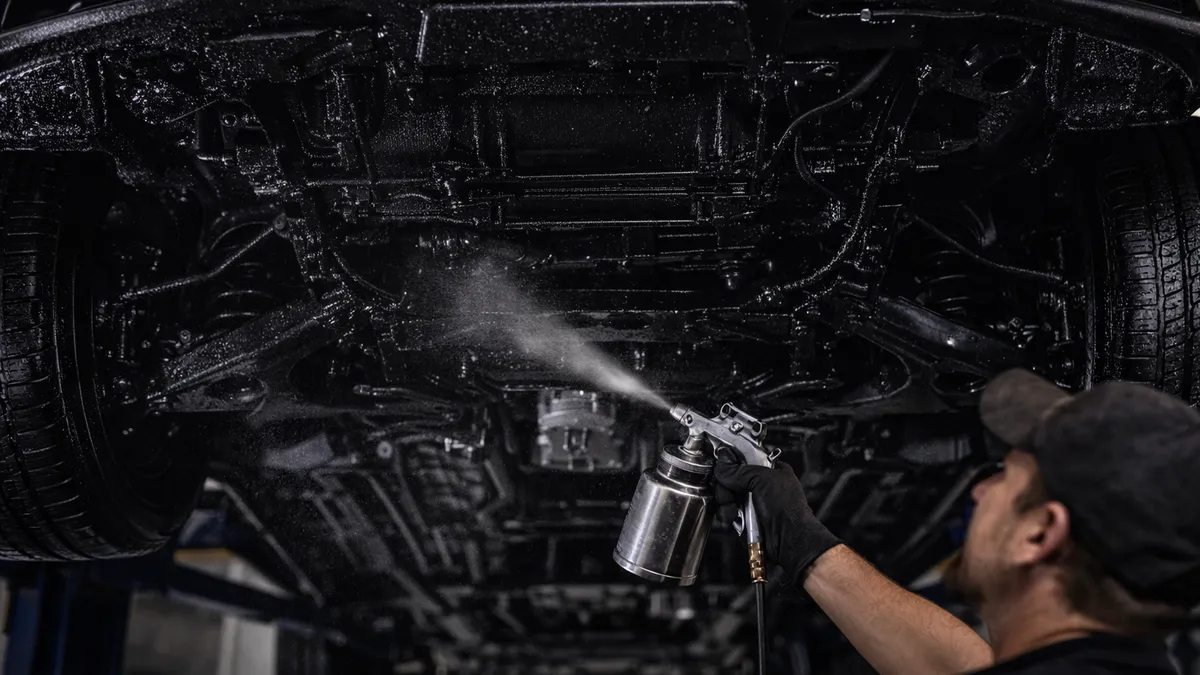
Undercoating and Rust Protection in Connecticut — Why It Matters
Road salt destroys vehicles from the bottom up in Connecticut. Here's why undercoating matters, when to get it done, and how it protects your exhaust, brake lines, and frame.
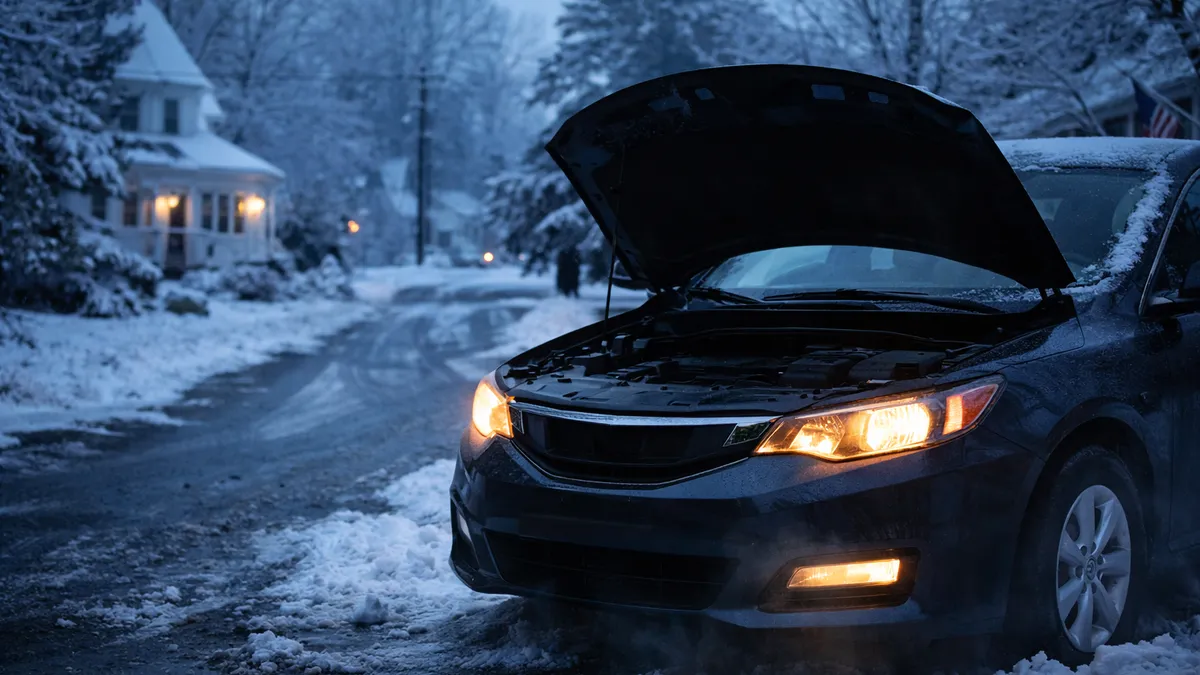
Winter Car Maintenance Checklist for Connecticut Drivers
Connecticut winters are tough on cars. Here's what to check before the cold hits — from tires and batteries to oil and coolant. A seasonal checklist from a Thomaston mechanic.
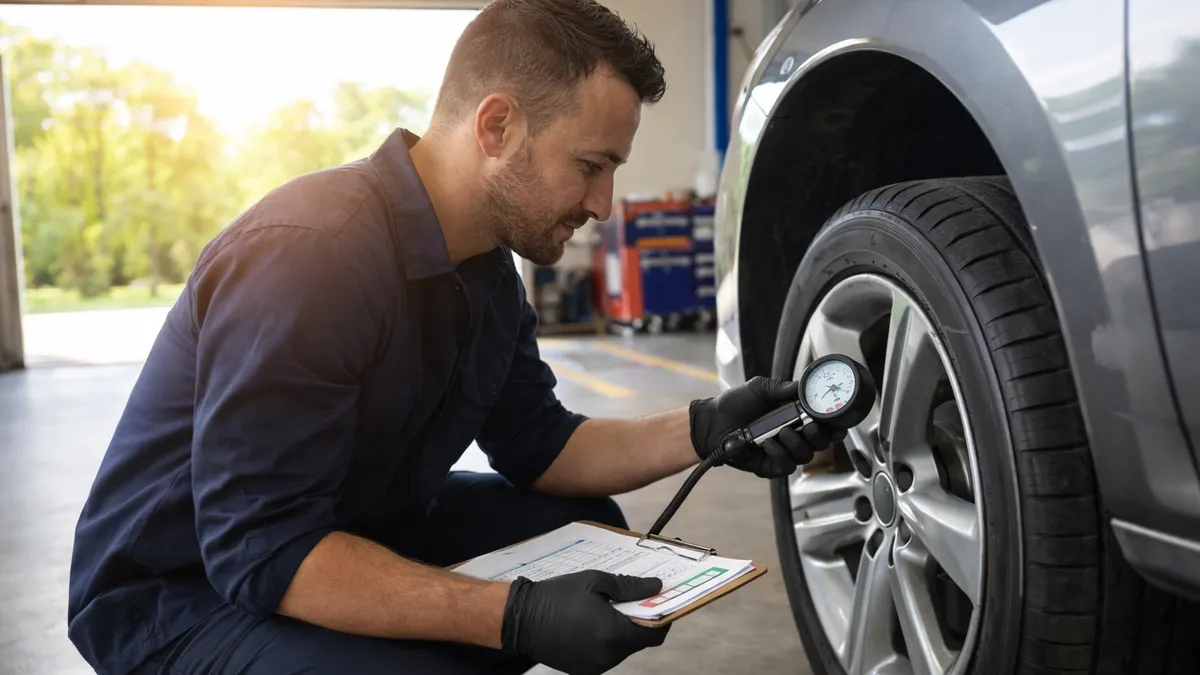
Spring Car Maintenance Checklist for Connecticut Drivers
Connecticut winters are tough on vehicles. Here's a practical spring maintenance checklist to undo winter damage and get your car ready for the warmer months ahead.
Ready to Get Your Vehicle Fixed?
Schedule your appointment today. Free estimates on all repairs -- we'll explain what needs to be done before we do any work.