MAINTENANCE_TIPS
Why Electric Vehicles Wear Tires 20% Faster (and What CT Drivers Can Do About It)
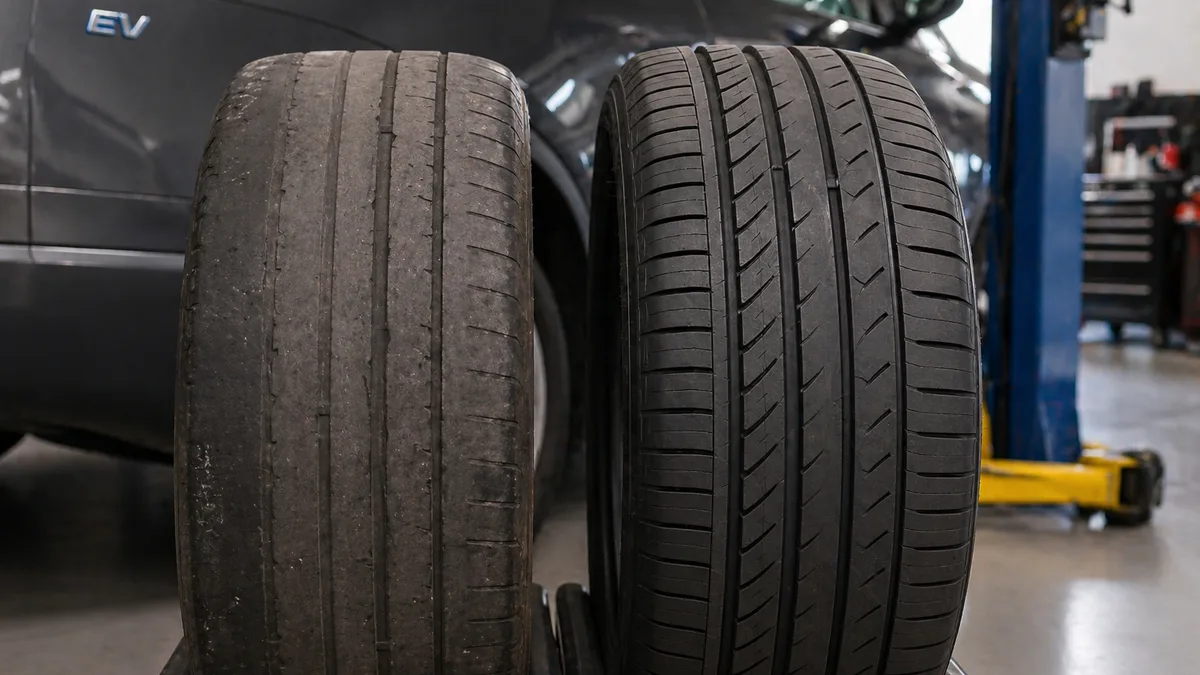
Electric vehicle adoption is climbing in Connecticut, and one thing EV owners quickly discover is that tires don't last as long as they used to. The car that replaced a gas sedan that got 50,000 miles on a set of tires now needs new rubber at 30,000. That difference adds up fast -- and for Connecticut drivers looking at long-term ownership costs, it's worth understanding before the surprise arrives.
Here's why EVs wear tires faster, what you can expect to pay over the life of the vehicle, and the handful of habits that make a real difference.
The Three Reasons EVs Eat Tires
1. Weight
A modern EV typically weighs 800-1,500 pounds more than an equivalent gas vehicle. A Tesla Model Y weighs about 4,400 lb; a similarly-sized Toyota RAV4 weighs about 3,500 lb. A Rivian R1T pickup weighs nearly 7,000 lb -- close to 1,500 lb heavier than an F-150 hybrid. That weight sits on four contact patches no bigger than a postcard. More weight means more force per square inch and more rubber worn away per mile.
2. Instant Torque
Gas engines build torque as RPM climbs. Electric motors deliver peak torque at zero RPM. Every time you press the accelerator from a stop, the tires see a sudden spike of twisting force that scrubs rubber off the tread in a way a gas car simply can't. Most EV drivers don't realize how much they're using this -- the acceleration is smooth and quiet, so it doesn't feel like you're launching hard. The tires know, though.
3. Regenerative Braking Wear Patterns
Regenerative braking -- using the motor as a generator to slow the vehicle -- recovers energy but also puts deceleration force through the drive tires. On a front-drive EV, the front tires see both acceleration wear and regen-braking wear. On a rear-drive EV, the rear tires do. This concentrates wear in a way that's different from gas vehicles, where brake pads (not tires) absorb most of the stopping energy.
What That Means in Miles
Typical tire life comparisons, based on independent tests and manufacturer data:
- Mid-size gas sedan: 45,000-55,000 miles per set
- Mid-size EV (Tesla Model 3, Ioniq 6, Polestar 2): 30,000-40,000 miles
- Mid-size EV SUV (Model Y, Mach-E, EV6): 25,000-35,000 miles
- Full-size EV truck (Lightning, R1T, Silverado EV): 20,000-30,000 miles
The faster you accelerate and the more one-pedal (heavy regen) driving you do, the lower in each range you'll land.
What That Costs Over Ownership
For a typical EV SUV driven 15,000 miles a year:
- Gas equivalent: tire replacement every 3-3.5 years.
- EV: tire replacement every 2-2.3 years.
EV-specific tires also cost more -- typically 15-30% more per tire than comparable non-EV tires. Combine shorter life with higher cost and you're looking at 40-60% higher tire spend over the life of the vehicle. On a five-year ownership window that's an extra $800-$1,500 in tire costs. Not ruinous, but not nothing, and worth budgeting for.
What CT Drivers Can Do About It
1. Rotate Early and Often
Every 5,000-7,500 miles, not every 10,000. Because EVs wear unevenly between drive and non-drive axles, more frequent rotation genuinely extends total tire life. It's one of the single best things you can do.
2. Keep Tire Pressure Right
Underinflated tires on a heavy vehicle wear the shoulders fast. Check pressures monthly in warm weather and every 10°F drop in winter -- Connecticut's temperature swings from summer to winter can drop pressures 8-10 PSI just from thermal contraction.
3. Ease Off the Launch
Instant torque feels great, but using 100% of it constantly is what separates 25,000-mile tire life from 40,000-mile tire life on the same vehicle. You don't have to drive slowly -- just accelerate normally instead of flooring it at every green light.
4. Use EV-Specific Tires When Replacing
The reinforced sidewalls, low-rolling-resistance compounds, and noise-reducing foam are built for how the vehicle actually works. Standard tires on an EV will typically wear faster and reduce range 5-10%.
5. Alignment Check Annually
The combination of heavier vehicle weight and Connecticut potholes makes alignment drift more likely on EVs. An out-of-alignment vehicle can destroy a set of tires in 10,000 miles. Annual alignment checks catch drift before it eats rubber.
6. Winter Tires Matter Even More
EVs are heavier, and that weight changes how they handle in snow. The extra mass actually helps traction in some conditions but also makes stopping distances longer. Dedicated winter tires on EVs -- rather than all-season -- can be the difference between confident winter driving and a near-miss on a Route 8 on-ramp.
EV Tire Service at P&C Repair
We handle tire rotations, replacements, and 4-wheel alignments on EVs and hybrids, same as any other vehicle. We carry and can order EV-specific tires from major brands. Alignment on heavier EVs benefits from modern equipment -- our alignment rack handles EV weights and wheelbases without issue.
If you're in the Thomaston, Waterbury, Plymouth, or greater Litchfield County area and your EV is due for rotation, alignment, or a tire inspection, come by P&C Repair at 64 N Main St or call (860) 601-0271. Taking care of the tires is one of the single most cost-effective things you can do for long-term EV ownership.
Need Help With This?
If something in this article sounds like what your vehicle is going through, bring it in. We'll diagnose the issue and give you a straight answer.
Keep Reading
More from The Garage
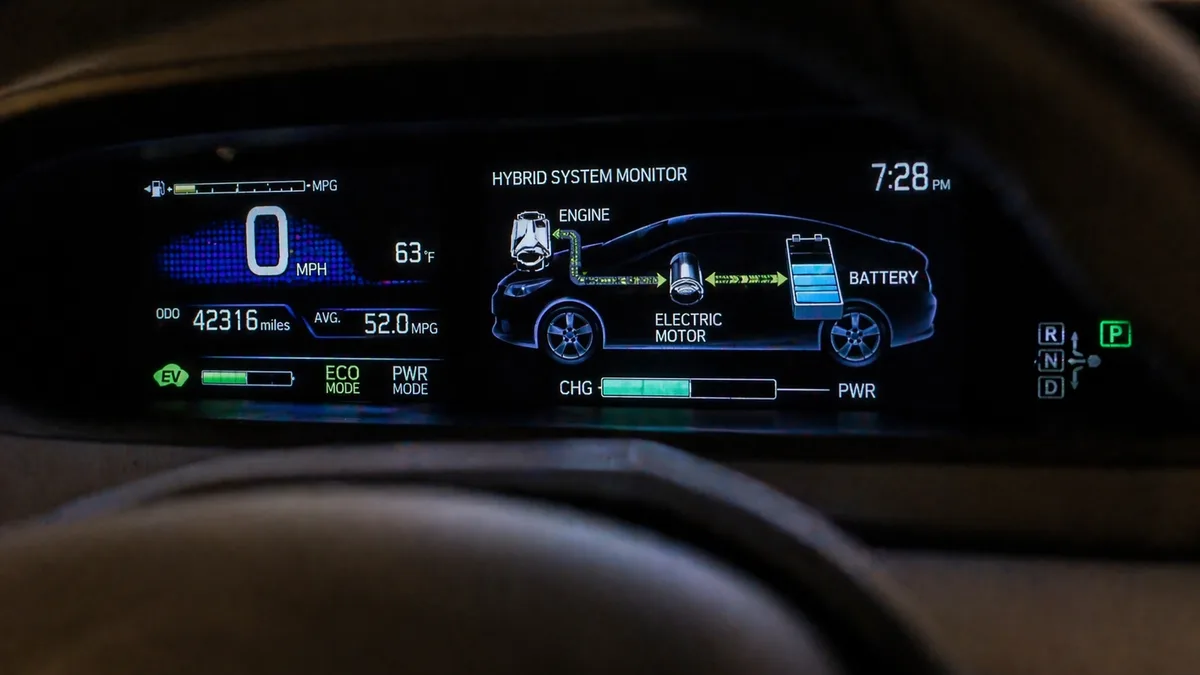
Signs Your Prius or Camry Hybrid Battery Is Failing (and What to Do Next)
Hybrid batteries don't last forever. Here's how to tell yours is failing, what fuel economy drop really means, and what your replacement options actually cost — honest answers for CT hybrid owners.
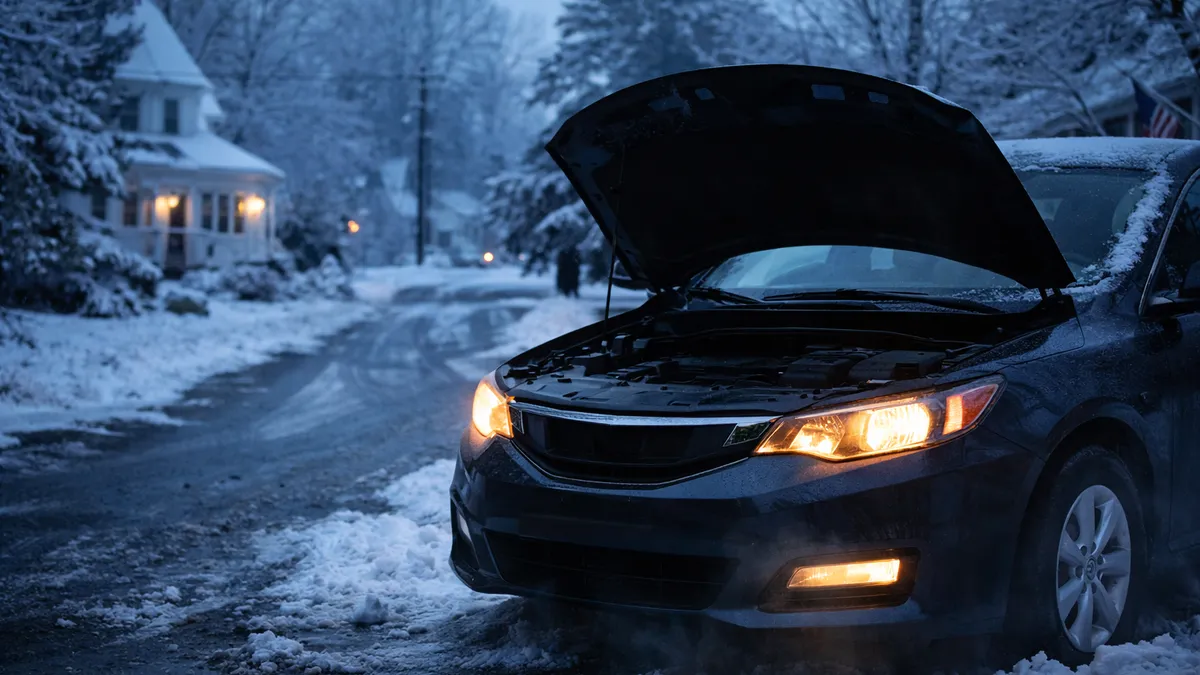
Winter Car Maintenance Checklist for Connecticut Drivers
Connecticut winters are tough on cars. Here's what to check before the cold hits — from tires and batteries to oil and coolant. A seasonal checklist from a Thomaston mechanic.
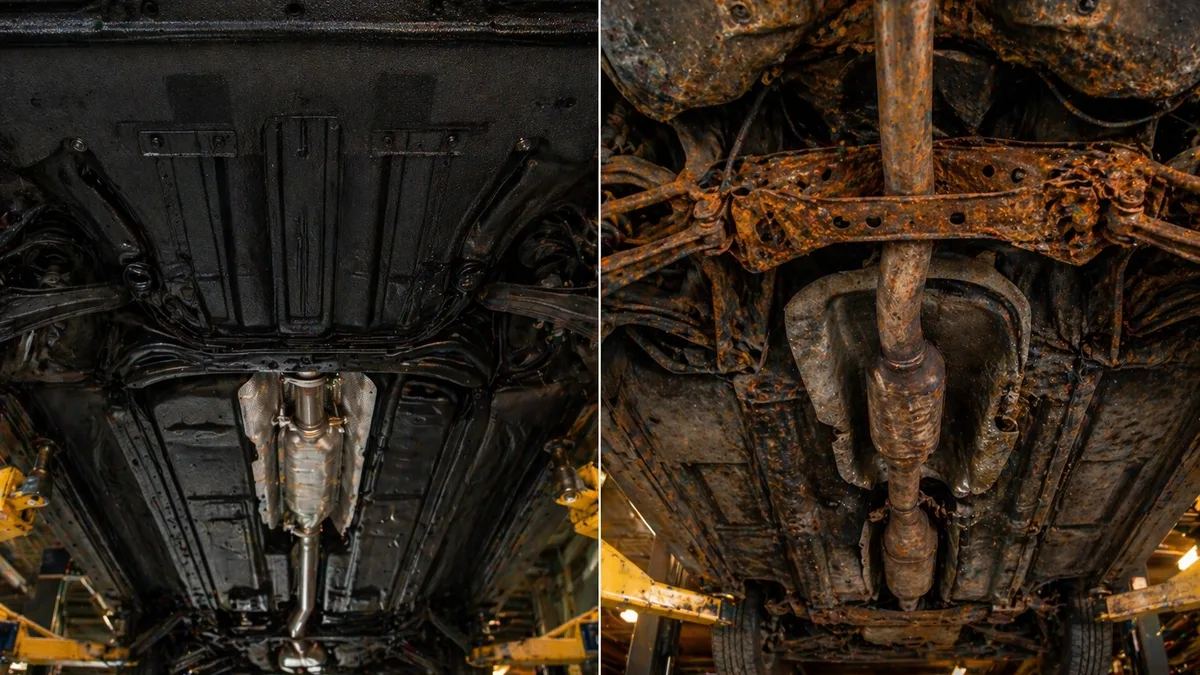
Road Salt and the 20-Year Car: A Connecticut Driver's Long-Game Rust Strategy
Keeping a car running 20 years in Connecticut isn't about the engine -- it's about beating the rust. Here's the five-part strategy that makes the difference between a 250,000-mile vehicle and one that rots out at 120,000.
Ready to Get Your Vehicle Fixed?
Schedule your appointment today. Free estimates on all repairs -- we'll explain what needs to be done before we do any work.